Where Compassion Meets Comprehensive Care
Built on more than four decades of experience, the Kripa Framework integrates professional treatment, psychological support, holistic healing, community living, and spiritual development into a unified approach to recovery. It is a proven pathway that helps individuals move beyond survival toward sustainable healing, personal growth, and lifelong transformation.
Kripa's Framework
Kripa Foundation’s Framework is built around a comprehensive, holistic approach to Addiction recovery and HIV/AIDS care.
This framework integrates various elements to address the physical, psychological, social, and spiritual needs of individuals. The Kripa Foundation’s framework is designed to create a supportive and nurturing environment that promotes holistic recovery and sustainable transformation. By addressing the multifaceted needs of individuals, the foundation aims to restore dignity, hope, and a sense of purpose in their lives.
Here are the key components of Kripa’s framework:


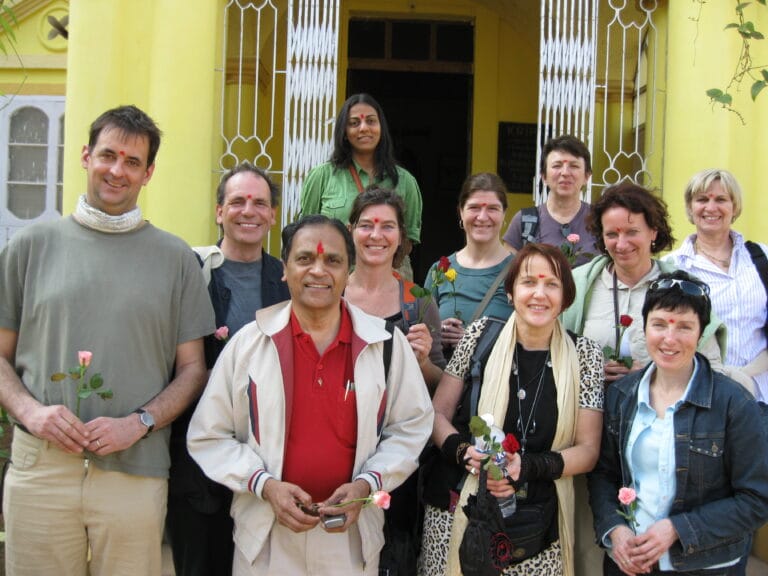

Holistic Healing Approach

Medical Care
Detoxification: Medically supervised detox programs to manage withdrawal symptoms safely.
HIV/AIDS Treatment: Medical treatment and care for individuals living with HIV/AIDS.

Psychological Support
Counselling: Individual and group therapy sessions to address psychological aspects of addiction and promote mental health.
Psychiatric Support: Access to psychiatric care for co-occurring mental health conditions.
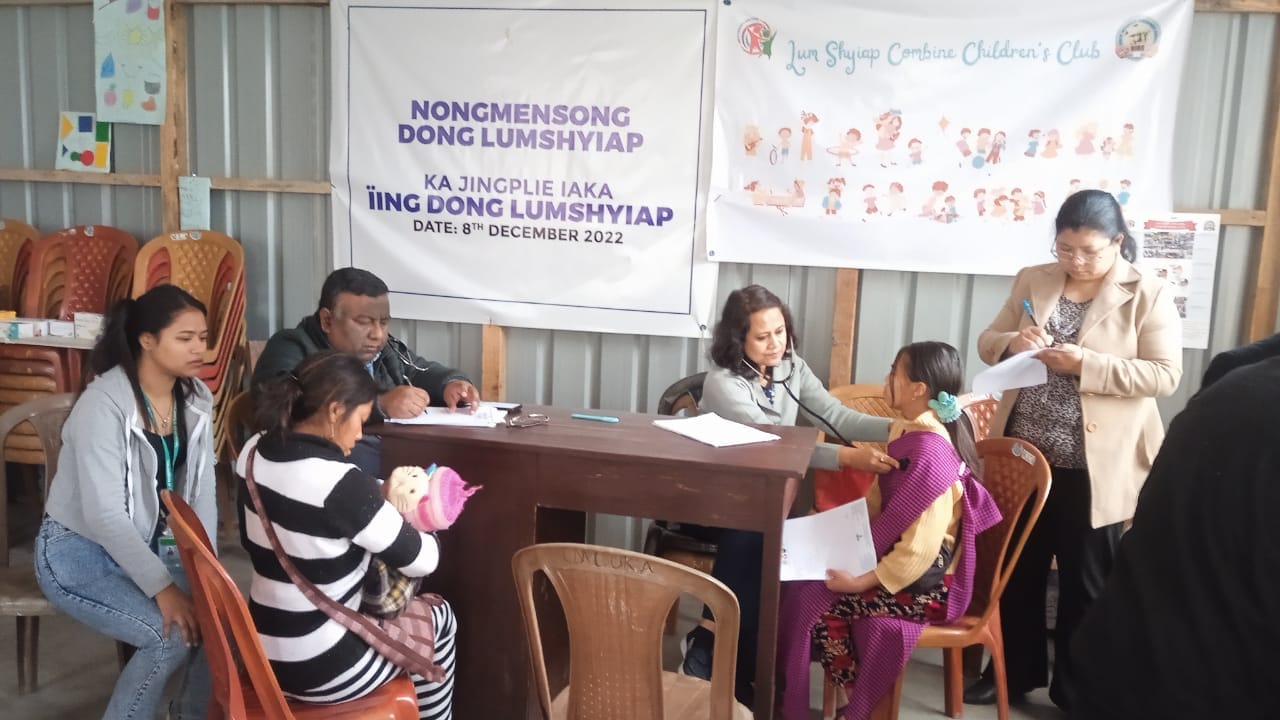
Social Support
Family Counselling: Involving families in the recovery process to provide a supportive environment.
Community Programs: Outreach programs to raise awareness and reduce stigma associated with addiction and HIV/AIDS.
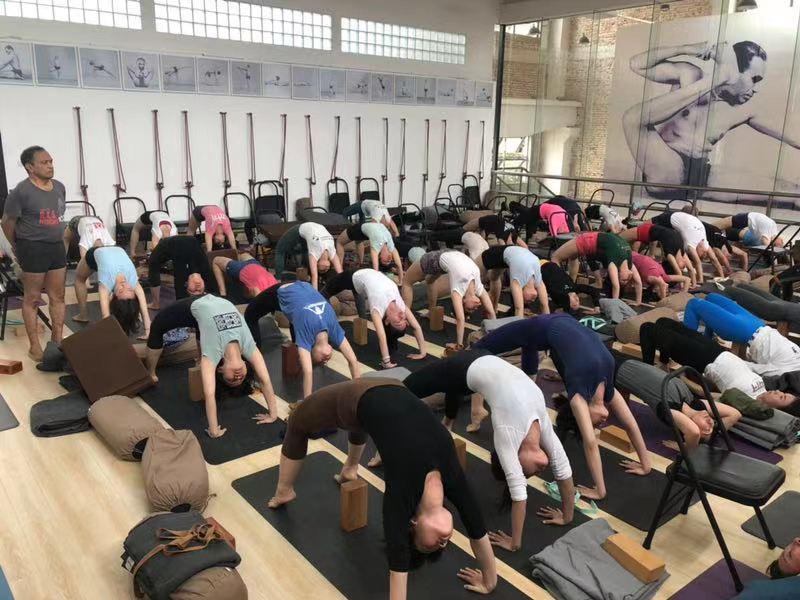
Spiritual Guidance
Meditation and Yoga: Incorporating practices like yoga and meditation to promote mental and physical well-being.
Spiritual Programs: Encouraging spiritual growth and reflection as part of the recovery process.
Comprehensive Rehabilitation Programs
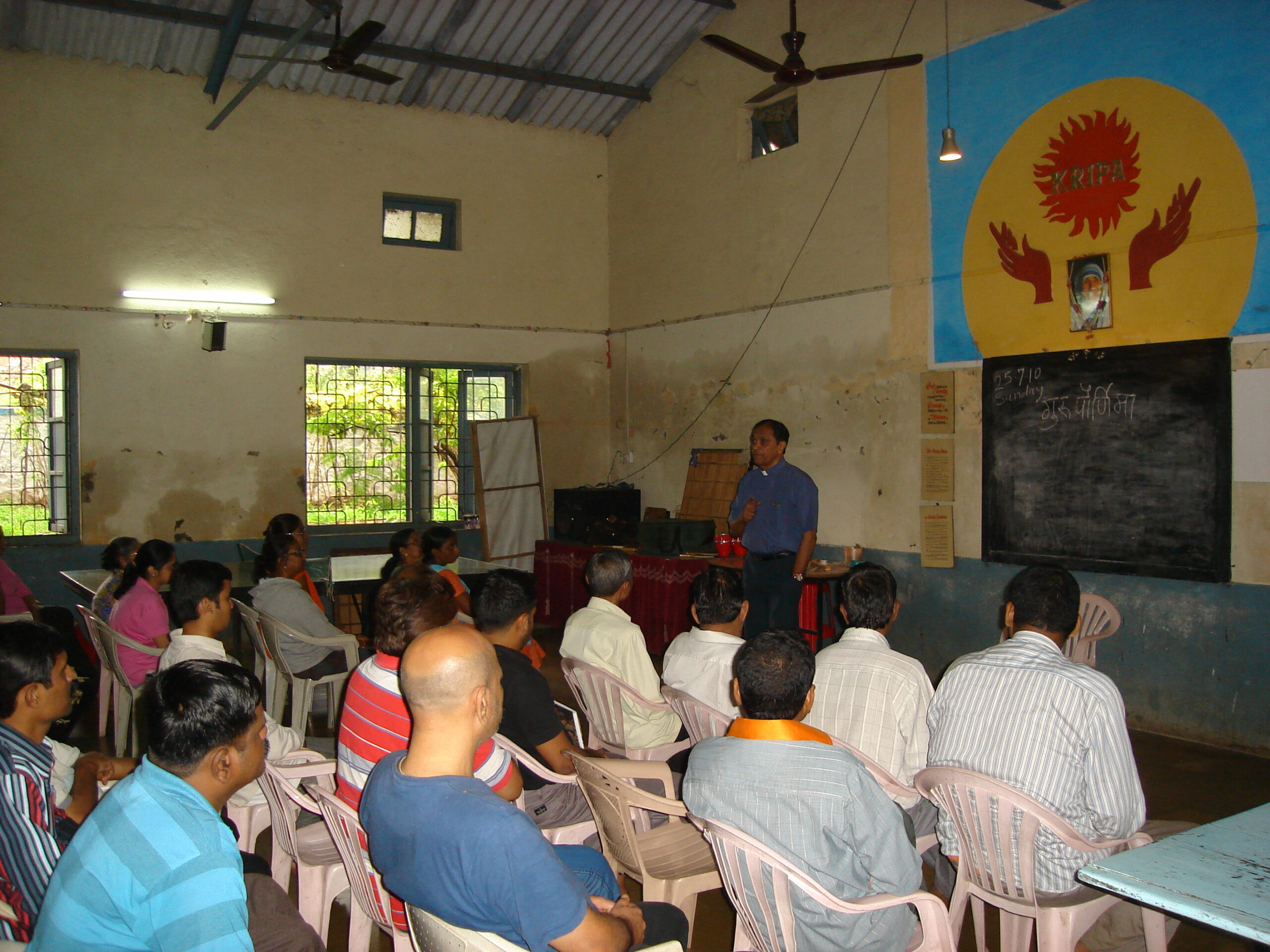
Residential Treatment
Structured residential programs offering a safe and supportive environment for individuals to recover.
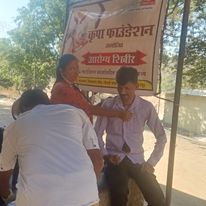
Outpatient Services
Providing flexible treatment options for individuals who cannot commit to residential programs.
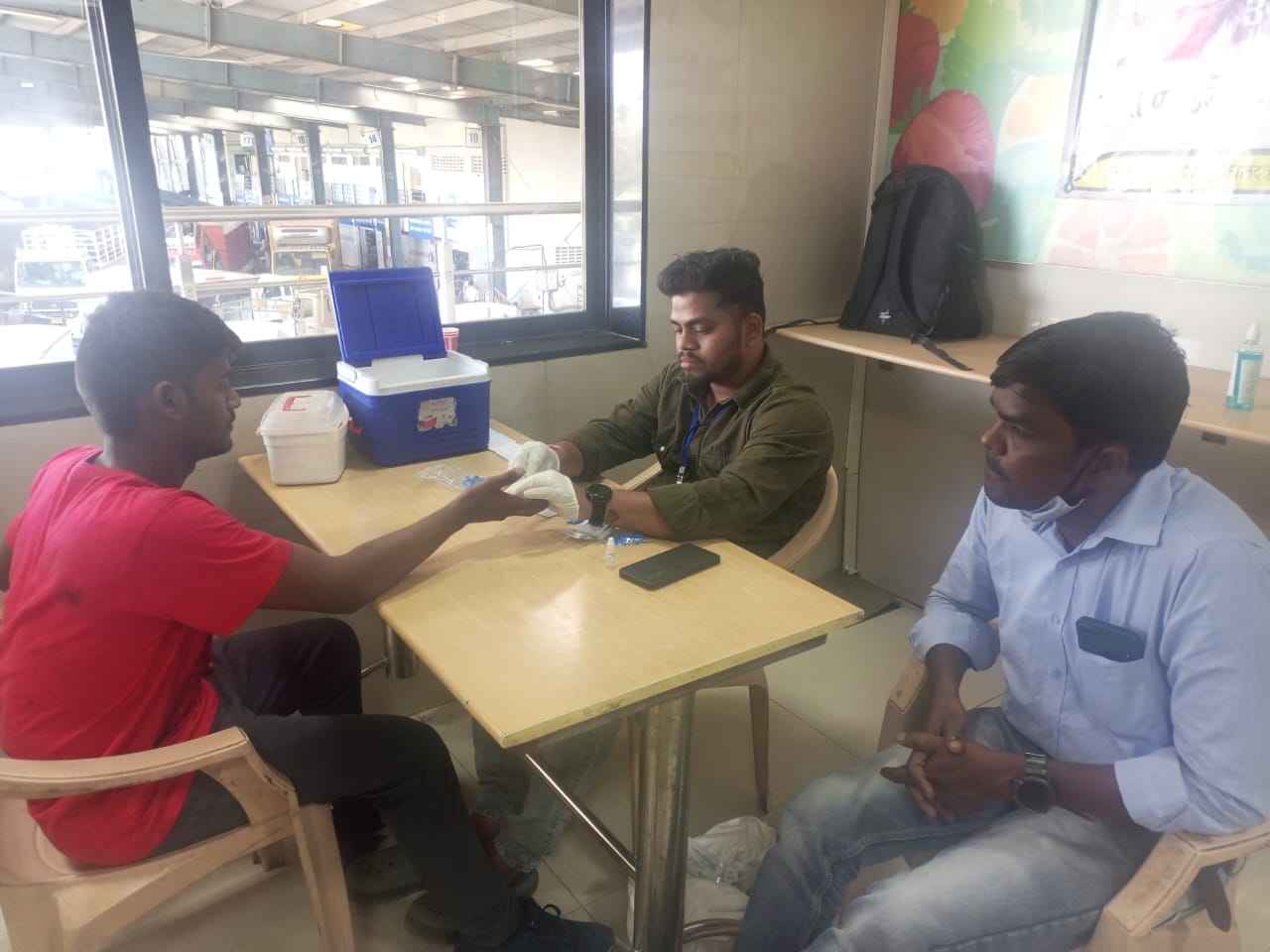
Aftercare and Relapse Prevention
Ongoing support and counselling to help individuals maintain sobriety and prevent relapse after completing the primary treatment program.
Community Engagement and Outreach
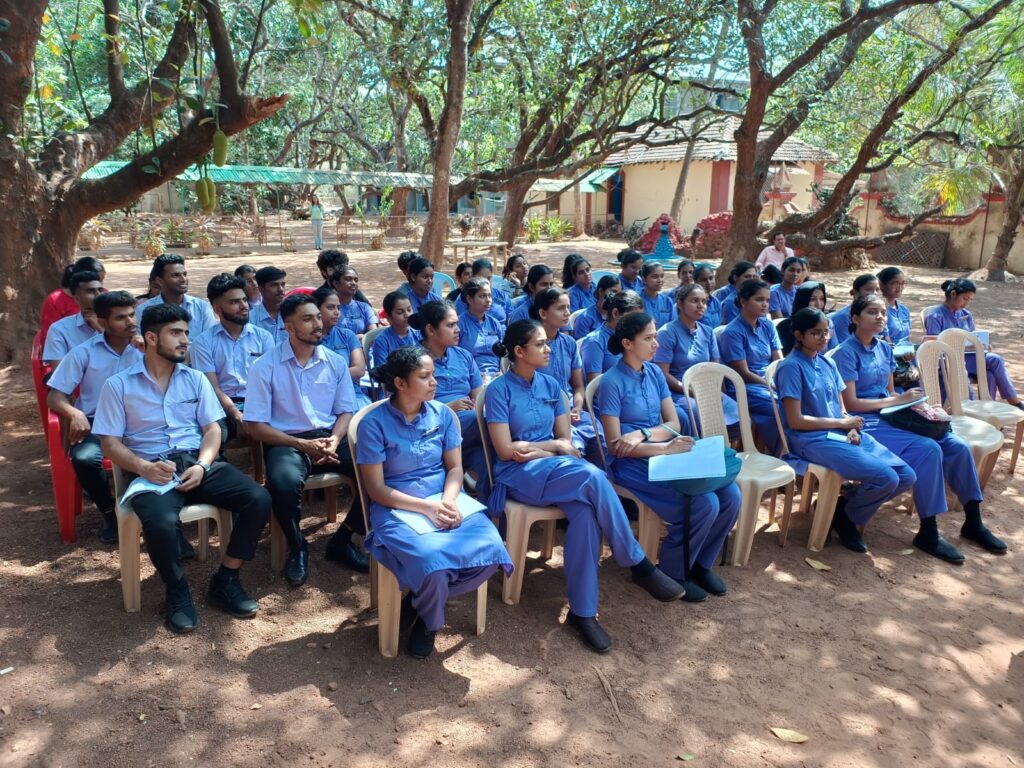
Education and Awareness
Conducting workshops, seminars, and campaigns to educate the public about addiction, HIV/AIDS, and preventive measures.
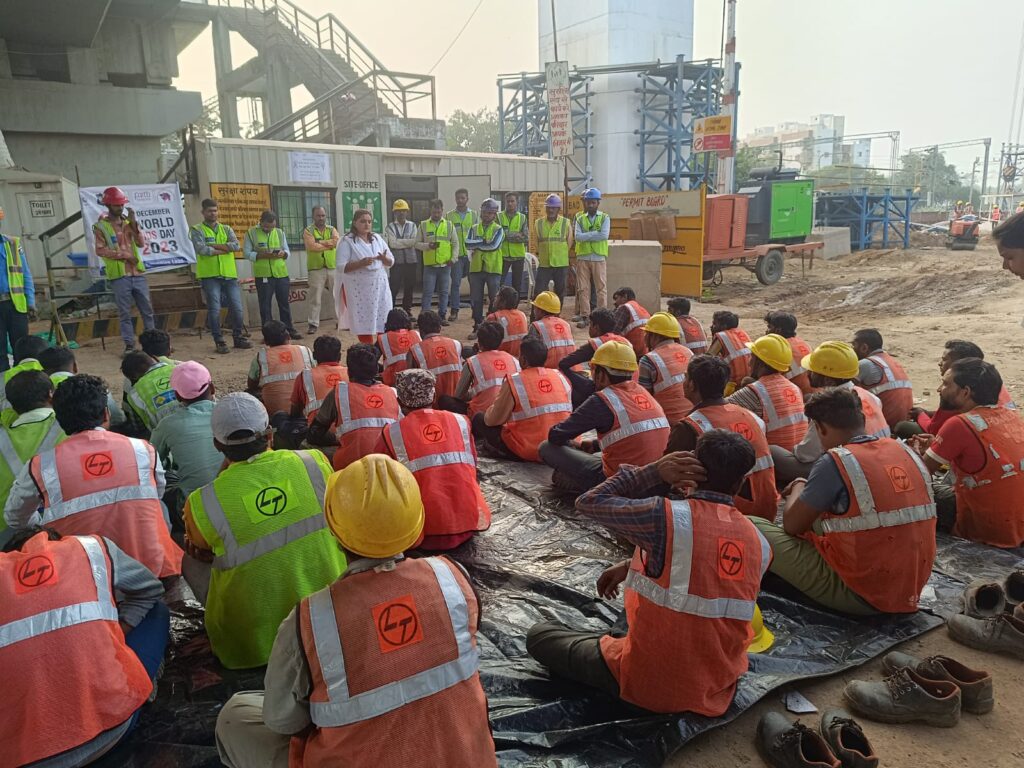
Training Programs
Training healthcare professionals, social workers, and volunteers to effectively address and manage addiction and HIV/AIDS.
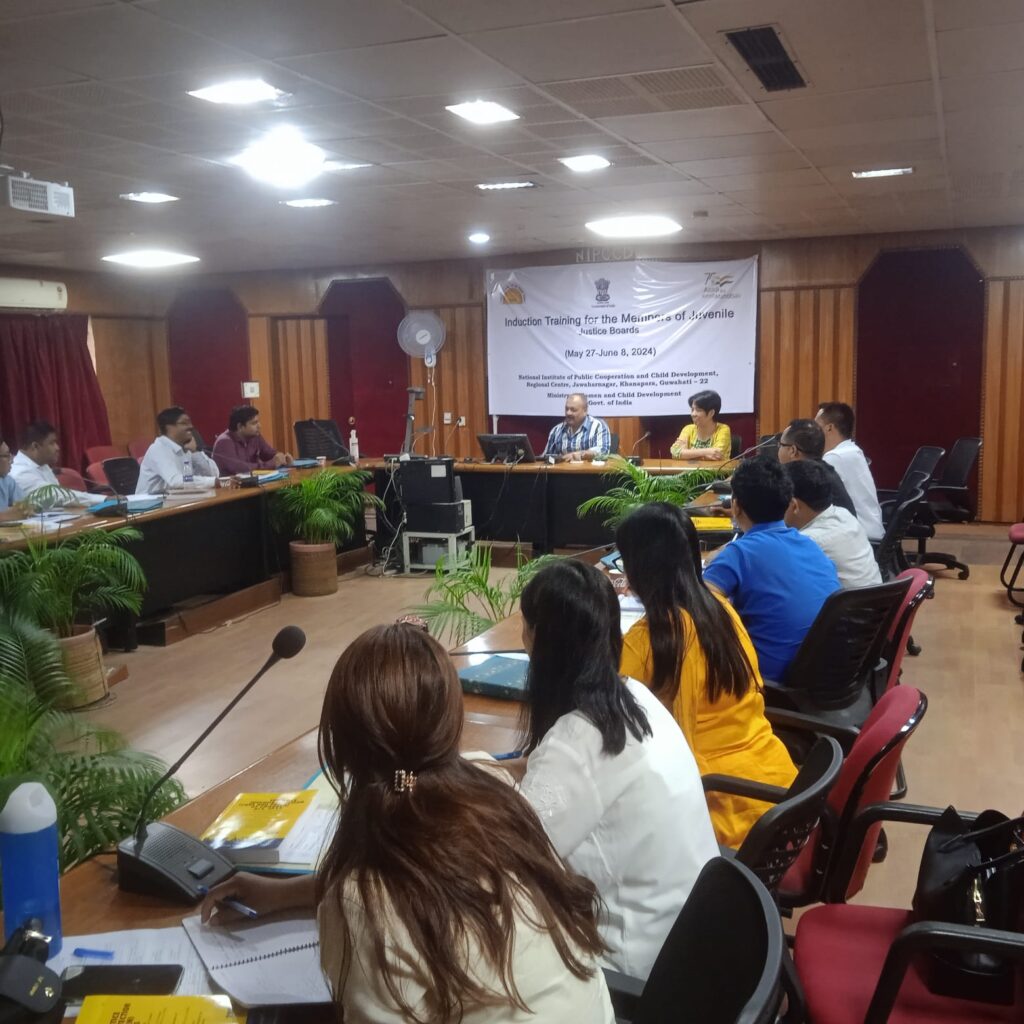
Partnerships
Collaborating with government agencies, NGOs, and international organizations to enhance resources and support.
Research and Innovation
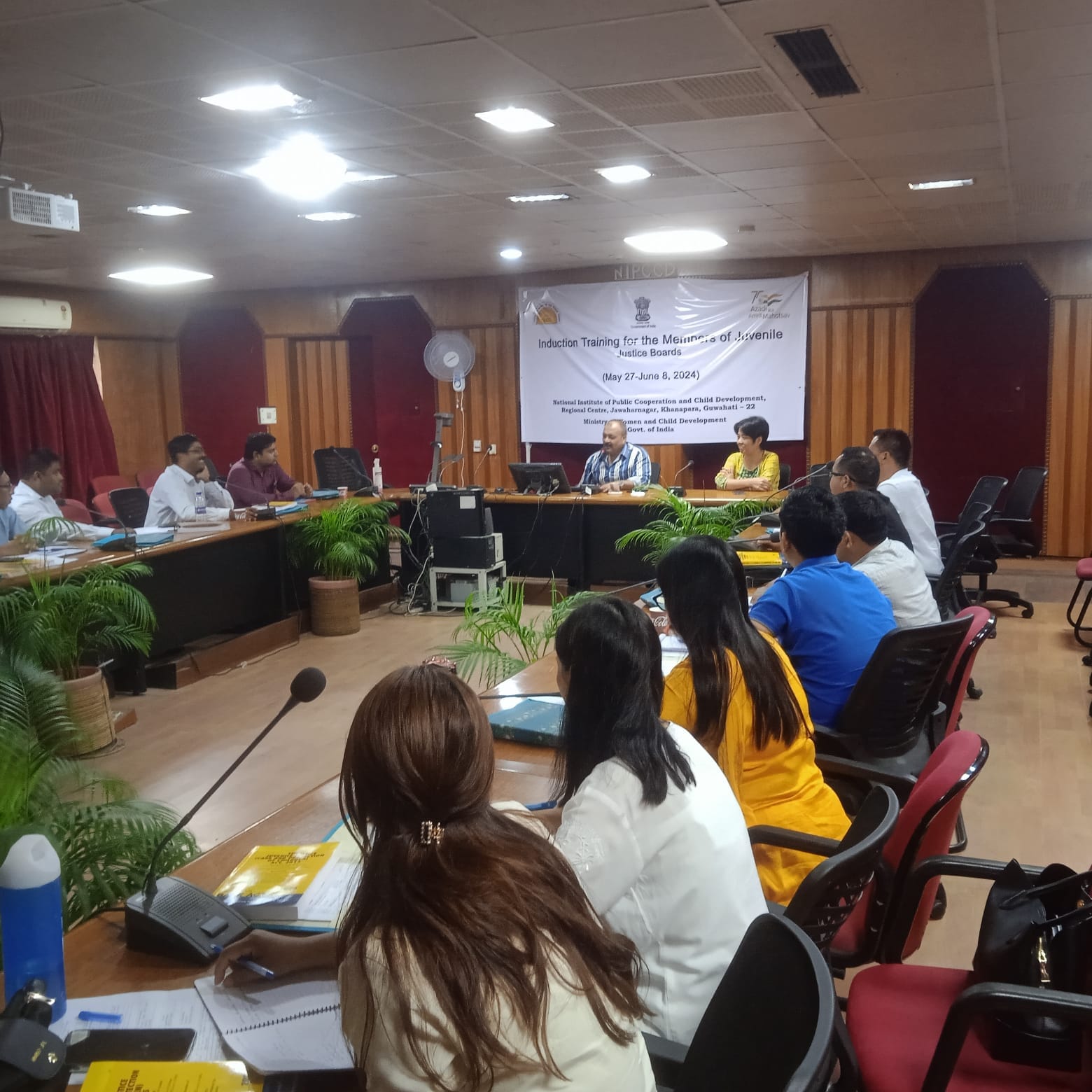
Evidence-Based Practices
Utilizing research and evidence-based practices to inform treatment methodologies and improve outcomes.
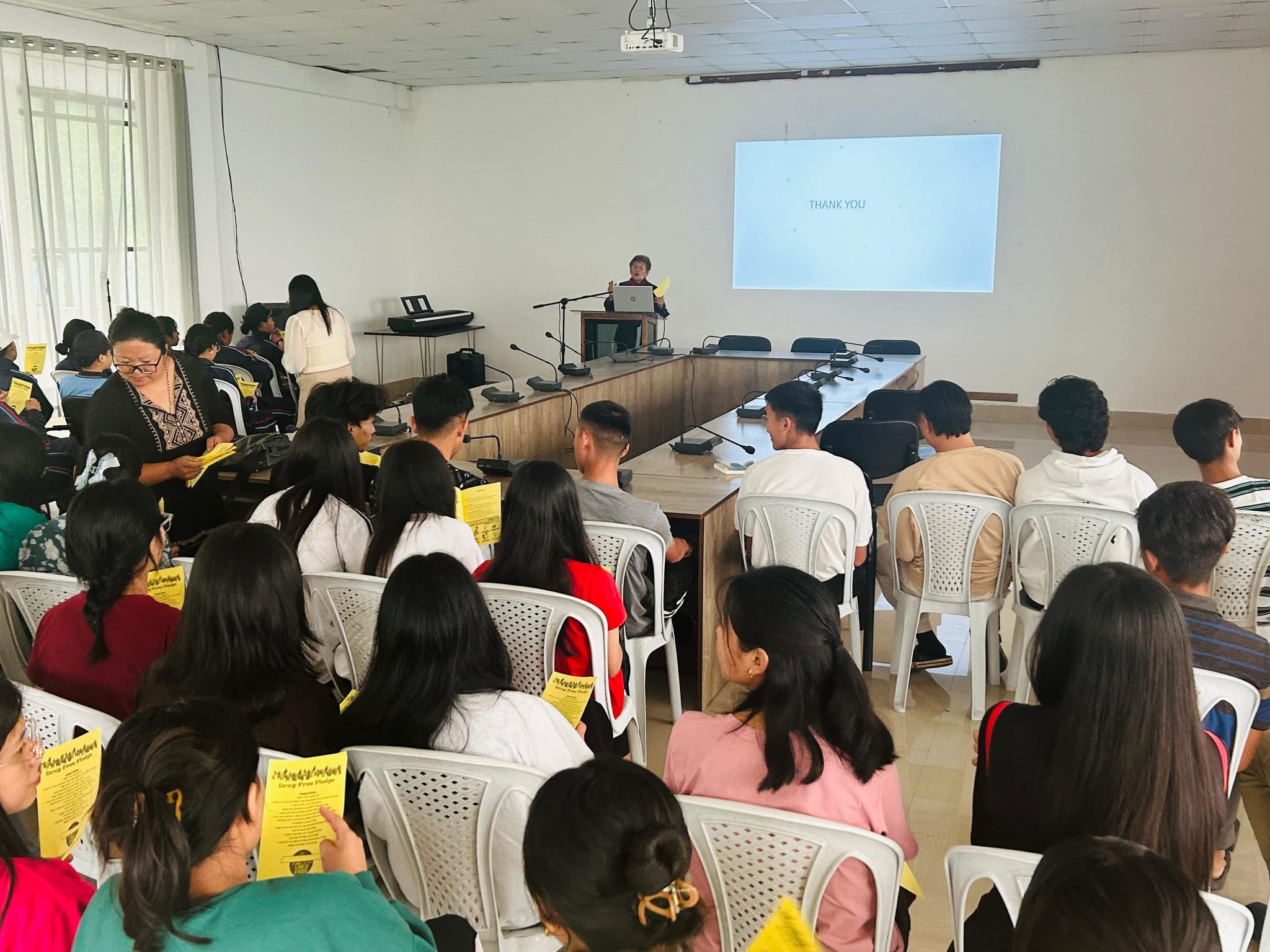
Continuous Improvement
Regularly evaluating programs and incorporating feedback to ensure the highest standards of care.
Non-Discriminatory Services
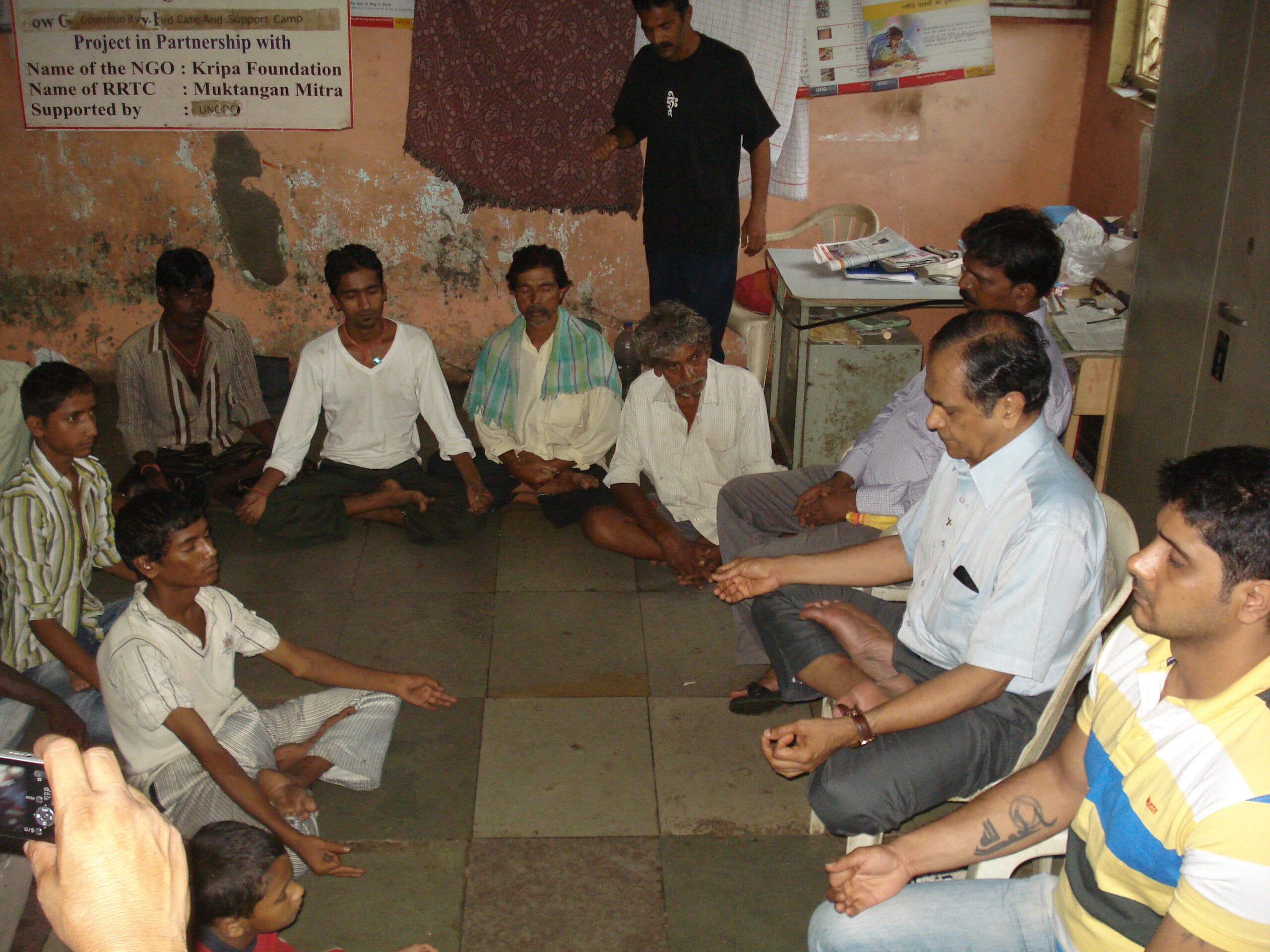
Inclusivity
Providing services to individuals regardless of their socioeconomic status, religion, or background.
Ensuring equal access to treatment and support for all individuals in need.
Contact us for more!